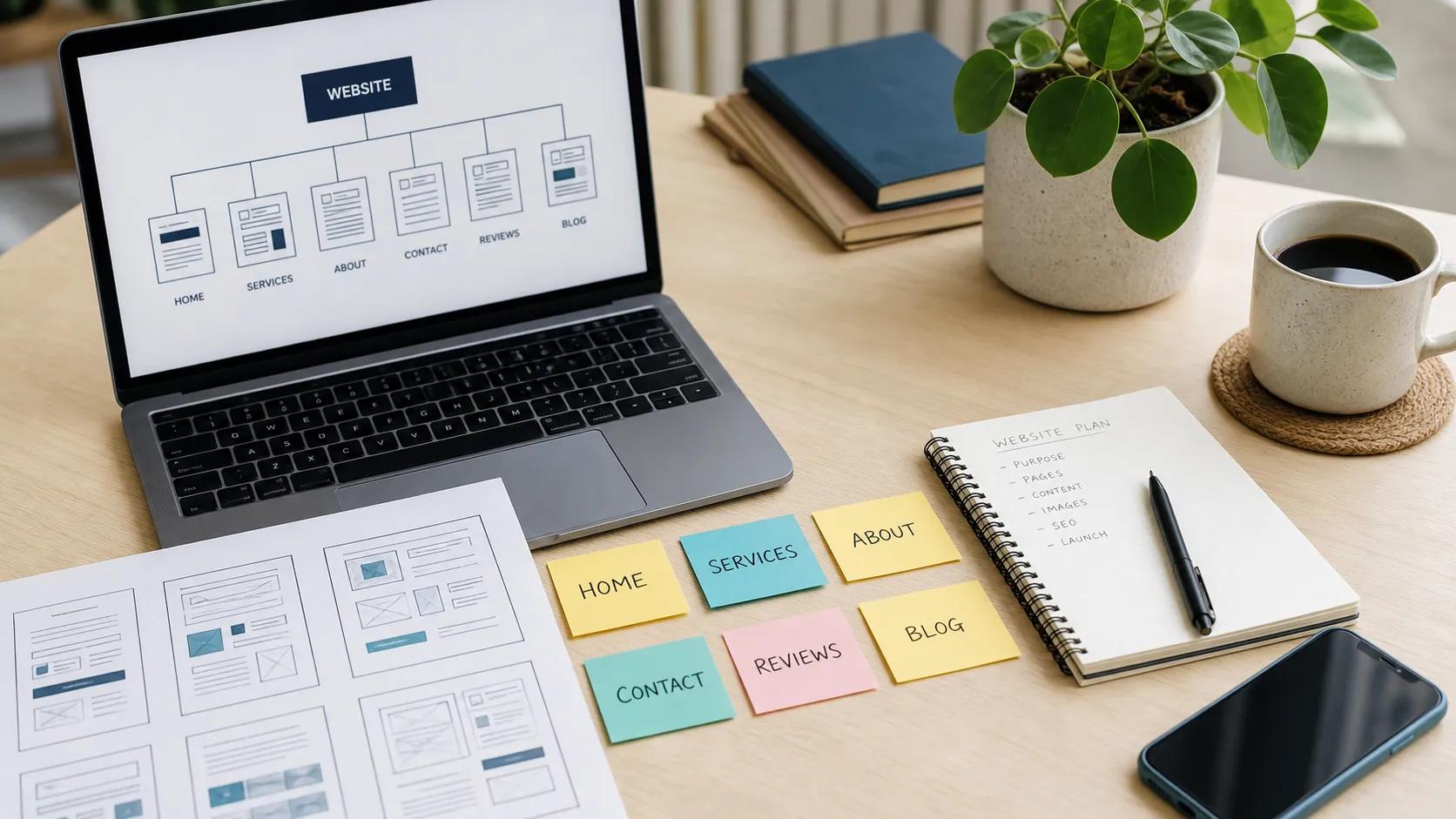
When we think about creating a website and building our own brand, it’s easy to jump straight to the visual stuff. What colours should I use? Do I need a logo? Which fonts work together? Those things matter, but they’re only part of it.
Your personal brand is also what you want to be known for, the subjects you talk about, the people you want to reach and the impression someone gets when they come across you online. It’s your experience, opinions, writing style and the things you choose to share. Your website brings all of that together in one place, and unlike most other online platforms, you control how you present yourself. But what happens when the person behind the website changes?
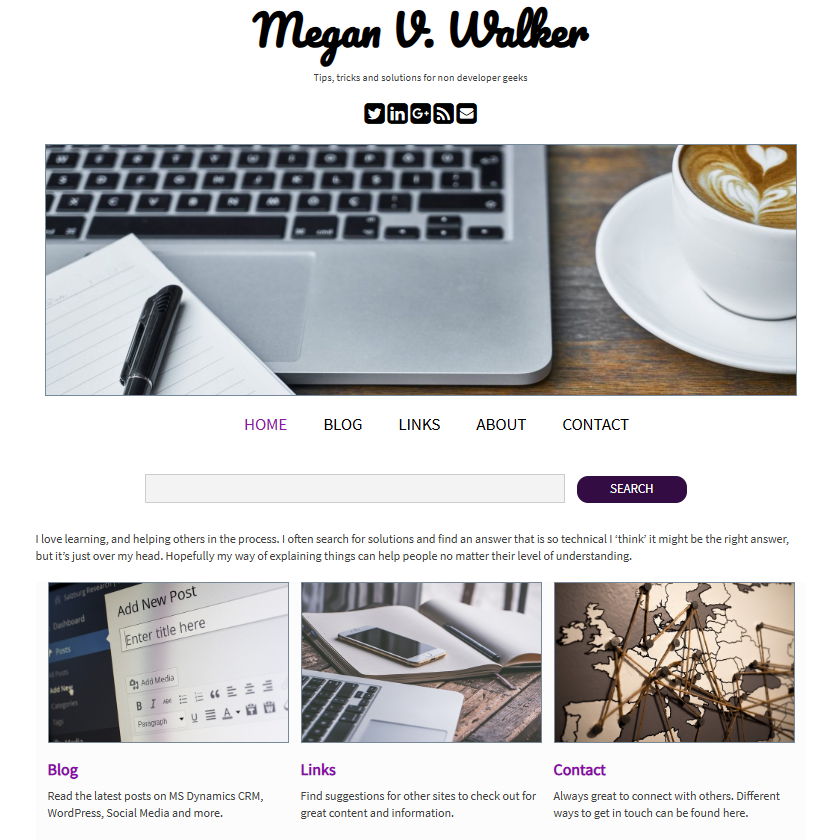
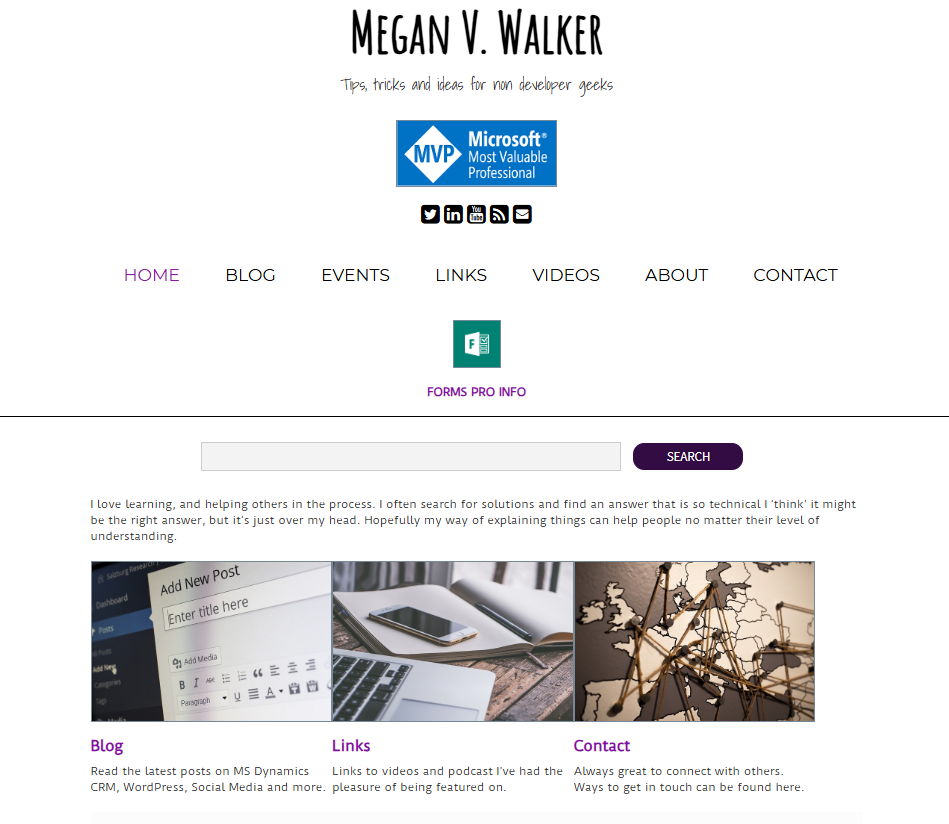
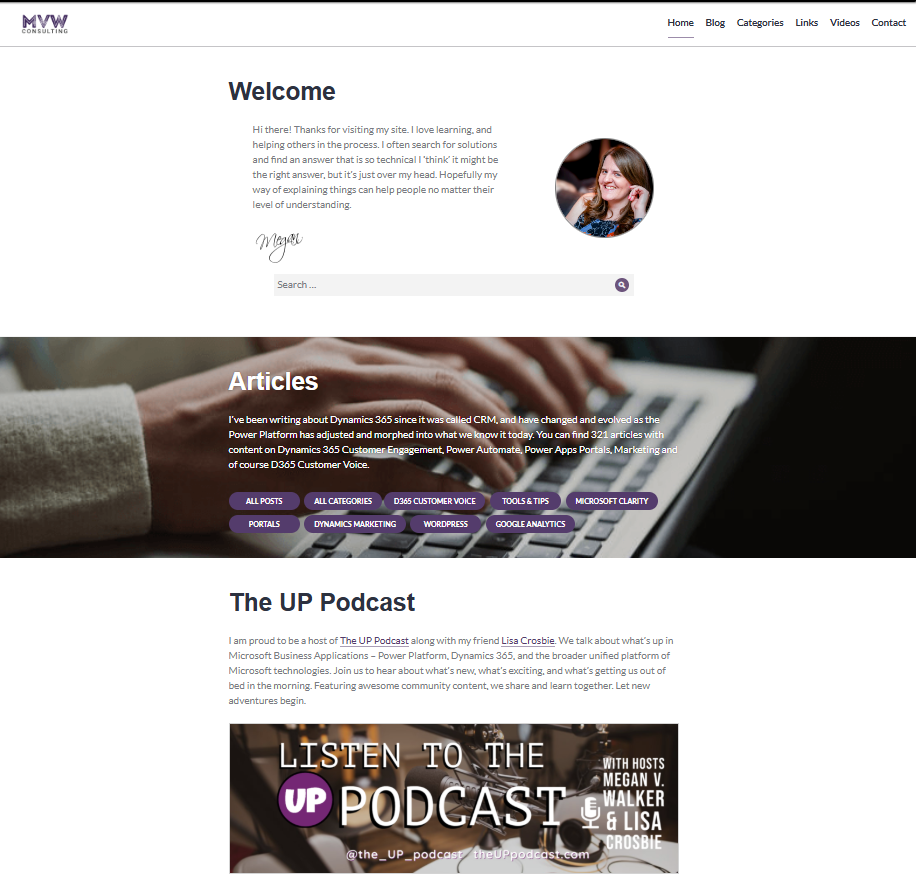
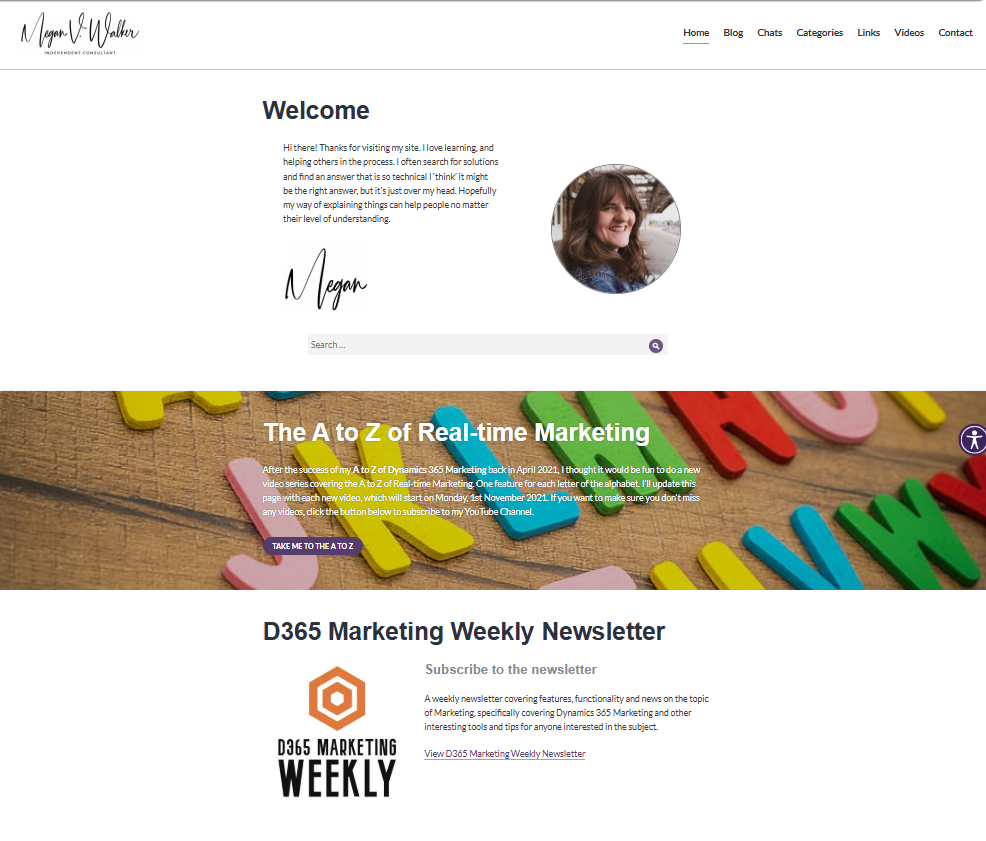
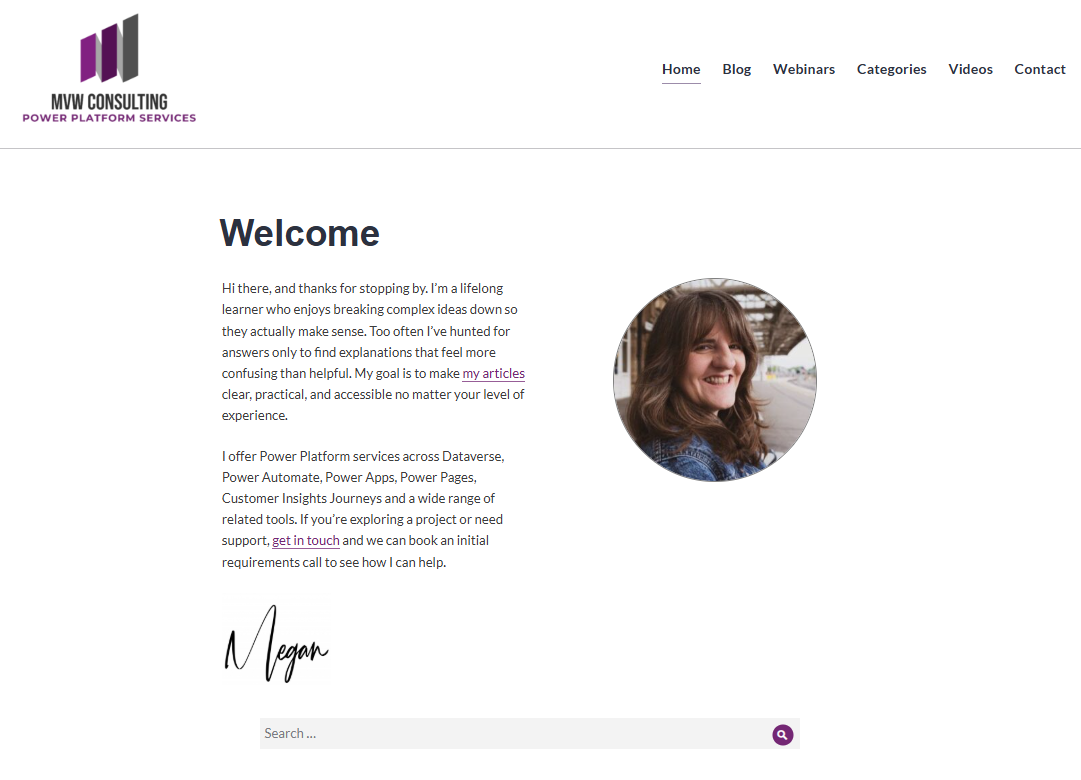
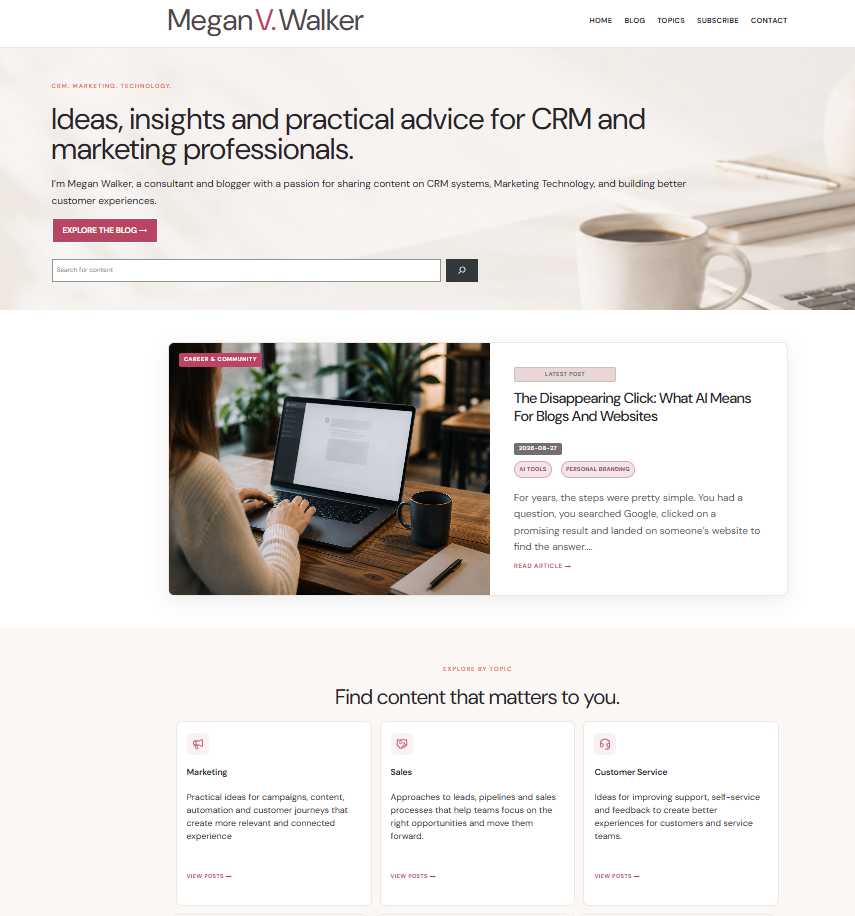
I’ve had several versions of my own website over the years. Looking back at screenshots, the obvious differences are the colours, logos and layouts (some of which have definitely aged better than others!). But the biggest changes happened because my career changed, my focus shifted and what I needed the website to do changed too.
So how do you know when your website needs to change, and how do you update it without losing the personal brand people already recognise?
What Is Your Personal Brand?
Before changing anything, it helps to understand what you’re trying to preserve. Your personal brand isn’t your logo, a particular hex code or the font you’ve been using for years. Those things can make you recognisable, but they represent your brand rather than define it.
Think about what someone might remember after visiting your website or reading something you’ve written. What do you know about? What do you talk about? What do people come to you for? How do you communicate, and how do you want people to feel when they interact with you?
Before redesigning your site, write down a few things you don’t want to lose. It might be your writing style, a colour strongly associated with you, the subjects you cover or simply how you want your website to feel. Those are your anchors. Everything else can be questioned.
Does Your Website Still Represent You?
Our careers and interests can change gradually while our websites happily carry on representing who we were three years ago. We develop expertise in new areas, start talking to different audiences, change jobs or stop doing things that were once a big part of our professional identity.
For me, changing direction in my career meant removing branding connected to my limited company. It was a relatively obvious visual change, but it represented something much bigger: the website no longer needed to position me as someone looking for consulting work.
Take a fresh look at yours. If someone knew nothing about you, could they work out from your homepage what you do, what you’re interested in and who the site is for? Check your About page, navigation, blog categories and calls to action. Do they describe who you are now?
Each version of my site made sense when I created it. Eventually I moved on and the website needed to catch up. A website doesn’t have to be bad to need changing. Sometimes you’ve simply outgrown it.
What Does Your Website Need To Do?
Before opening a page builder or looking at colour palettes, complete one sentence:
The main purpose of my website is to…
Maybe you want to generate enquiries, establish your expertise, encourage people to read your content, grow a newsletter or simply give people somewhere to learn more about you. That answer should influence almost every decision you make about the site.
It can change too. My website no longer needs to generate consulting clients, so CTAs, forms and copy encouraging people to hire me no longer have a purpose. Instead, I want people to find useful content, explore different topics and hopefully come back for more. That shift changes much more than how the site looks.
Once you know your purpose, review what you already have using four simple lists: Keep, Change, Remove and Add. What still serves a purpose? What needs updating? What are you hanging on to simply because it has always been there? And what does the next version of your site need that you don’t have today?
Don’t Throw Away Your Identity
Rebranding doesn’t mean changing everything. Doing that can remove some of the familiarity you’ve spent years building. Instead, work out which elements genuinely contribute to your identity. Perhaps there’s a colour worth evolving rather than abandoning, a photography style you want to retain or a particular way you write that people recognise. Your name itself may be far more important to your personal brand than any logo.
Your existing content matters too. If you’ve spent years blogging, speaking, creating videos or sharing ideas, that’s part of your history and credibility. I’ve changed the focus and structure of my own site, but that doesn’t mean years of content and the things I’ve been known for need to disappear.
The aim is to deliberately decide what comes with you and what you can leave behind.
Design For Where You’re Going
It’s tempting to redesign a website around where you are today, but think a little further ahead. You can’t predict what you’ll be doing five years from now, but you probably have some idea of the direction you’re moving in.
If you want to write about a broader range of subjects, don’t create a structure that restricts you to one. If you’re moving away from selling services, don’t make your homepage about hiring you. If your own name is becoming more important than a company or product name, make sure the branding gives you room for that.
A useful question is: If things go roughly the way I hope over the next two or three years, will this website still make sense?
Your new site doesn’t need to feel like an entirely new identity. Ideally, it should feel like a natural evolution: recognisable, but with room for wherever you’re heading next.
Look Back Before You Move Forward
If you’ve had a website for a while, find an old version. Dig out screenshots or use the Wayback Machine. It can be slightly horrifying, but it’s also a brilliant way to see how much has changed. That’s where I got all of my screenshots in this post… which was a little cringe in some aspects 🫣
Looking back through several versions of my own website, what strikes me isn’t just how much the design has changed. I can see how I’ve changed too. Different things were important to me, I described myself differently and the website had a different job to do. Yet there are still elements running through those versions that feel very much like me.
Try the same exercise. What has changed? What hasn’t? And what would you do differently if you were building your website today? You might only need a few thoughtful changes, or you might realise you’ve been trying to update a site designed for a completely different stage of your career.
Your personal brand isn’t supposed to remain frozen in time. It develops as you gain experience, find new interests and change direction, and your website should be allowed to do the same.
The goal isn’t to keep reinventing yourself. It’s to make sure that when someone lands on your website today, what they find still feels like you — just the current version.

Leave a Reply